The State of Knowledge of Food Security in Northern Canada
The Minister of Health, on behalf of Health Canada, has asked the Council of Canadian Academies to assess the state of knowledge of the factors influencing food security in the Canadian North and the health implications of food insecurity for northern Aboriginal populations.
Progress Report
The Expert Panel on the State of Knowledge of Food Security in Northern Canada held its third meeting in Vancouver, British Columbia on December 10th and 11th, 2012. The Panel met to discuss the first draft of the report. The next meeting of the Expert Panel is scheduled for April, 2013 in Montréal, Quebec.
Background
For this assessment Canada’s North is defined as the land- and ocean-based territory that lies north of the southern limit of discontinuous permafrost, from northern British Columbia to northern Labrador. This terminology and definition is used as opposed to the Canadian Arctic, which refers to the geography north of the Arctic Circle.
Food security was defined at the World Food Summit in 1996 as having, “physical and economic access to sufficient, safe and nutritious food to meet one’s dietary needs and food preferences for an active and healthy life.” This definition represents the evolution of the food security concept beyond one of simply access and availability; it recognizes the increasing importance of healthy eating and nutrition and the factors that impact healthy food choices.
The factors influencing food security are complex and involve individual and community factors as well as global development factors. The direct and indirect influences of environmental contaminants, climate change, and industrial development stand to have major impacts on food security in Northern Canada. The interconnection between all of the factors influencing food security need to be better understood by decision-makers and Canadians at large. The Council’s expert panel may choose to examine the evidence as it relates to subjects such as the rapid biophysical, social, political, environmental and cultural changes in the North. Once complete, this assessment will provide an in-depth and balanced report of the current factors influencing food security in the Canadian North.
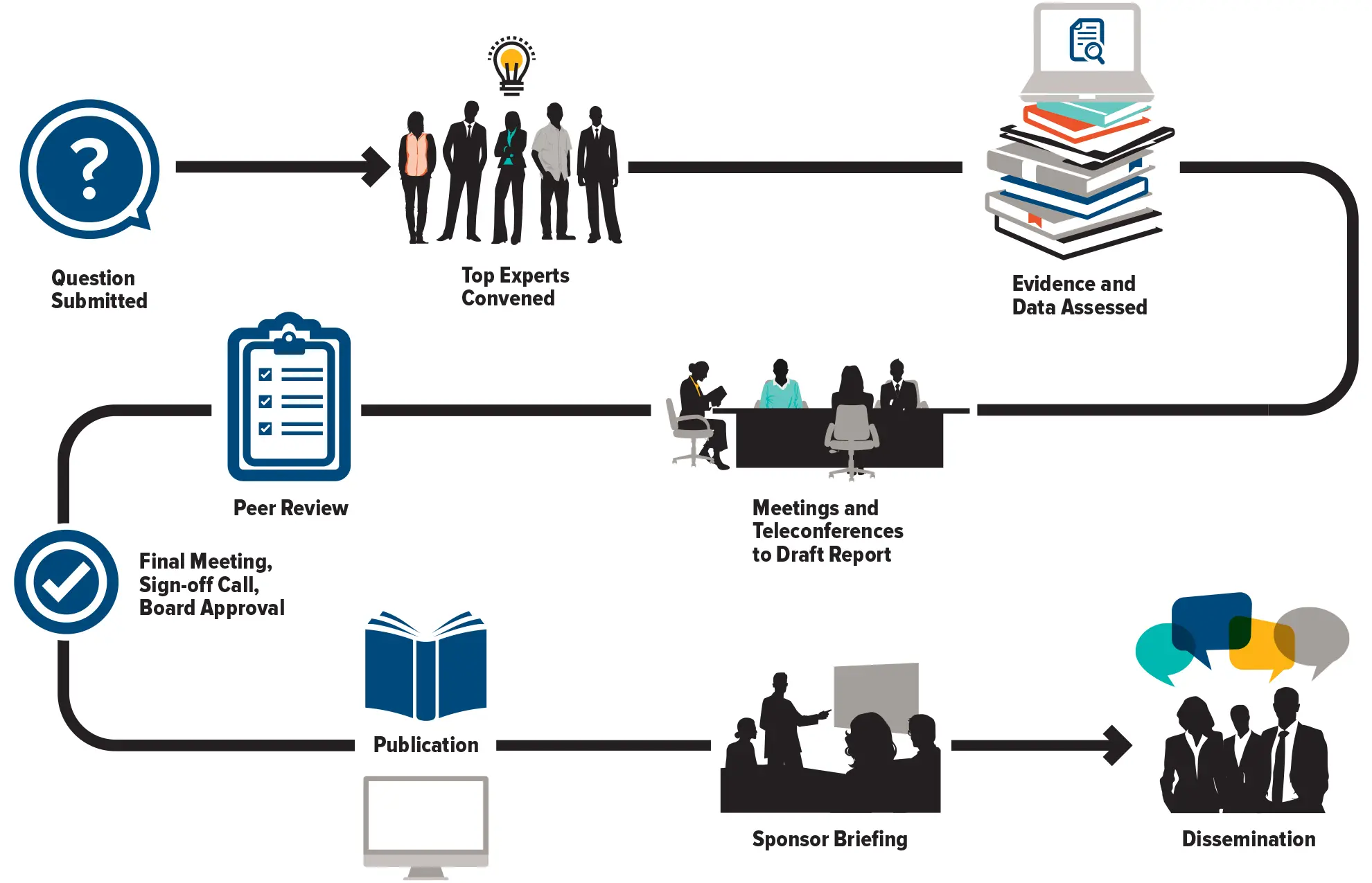
The full assessment process is expected to take 18 to 24 months and will include a rigorous peer review exercise to ensure the report is objective, balanced and evidence-based. Following the review and approval by the Council’s Board of Governors, the complete report will be made available on the Council’s website in both official languages. More information about the Council’s process can be found here.
Question
What is the state of knowledge of the factors influencing food security in the Canadian North and of the health implications of food insecurity for Northern Aboriginal populations?
Expert Panel
The Council is pleased to announce the appointment of Dr. Harriet Kuhnlein as Chair of the Expert Panel on the State of Knowledge of Food Security in Northern Canada. For a complete list of panel members visit the Expert Panel on the State of Knowledge of Food Security in Northern Canada page.

Members of the Expert Panel on the State of Knowledge of Food Security in Northern Canada at their second panel meeting in Ottawa, ON.
For further information, please contact:
Janet Bax, Program Director at 613-567-5000 ext. 267 or janet.bax@scienceadvice.ca