Memory Institutions and the Digital Revolution
Library and Archives Canada has asked the Council of Canadian Academies to assess how memory institutions, which include archives, libraries, museums, and other cultural institutions, can embrace the opportunities and challenges of the changing ways in which Canadians are communicating and working in the digital age.
Background
Over the past three decades, Canadians have seen a dramatic transformation in both personal and professional forms of communication due to new technologies. Where the early personal computer and word-processing systems were largely used and understood as extensions of the typewriter, advances in technology since the 1980s have enabled people to adopt different approaches to communicating and documenting their lives, culture, and work. Increased computing power, inexpensive electronic storage, and the widespread adoption of broadband computer networks have thrust methods of communication far ahead of our ability to grasp the implications of these advances.
These trends present both significant challenges and opportunities for traditional memory institutions as they work towards ensuring that valuable information is safeguarded and maintained for the long term and for the benefit of future generations. It requires that they keep track of new types of records that may be of future cultural significance, and of any changes in how decisions are being documented. As part of this assessment, the Council’s expert panel will examine the evidence as it relates to emerging trends, international best practices in archiving, and strengths and weaknesses in how Canada’s memory institutions are responding to these opportunities and challenges. Once complete, this assessment will provide an in-depth and balanced report that will support Library and Archives Canada and other memory institutions as they consider how best to manage and preserve the mass quantity of communications records generated as a result of new and emerging technologies.
The Council’s assessment is running concurrently with the Royal Society of Canada’s expert panel assessment on Libraries and Archives in 21st century Canada. Though similar in subject matter, these assessments have a different focus and follow a different process. The Council’s assessment is concerned foremost with opportunities and challenges for memory institutions as they adapt to a rapidly changing digital environment. In navigating these issues, the Council will draw on a highly qualified and multidisciplinary expert panel to undertake a rigorous assessment of the evidence and of significant international trends in policy and technology now underway. The final report will provide Canadians, policy-makers, and decision-makers with the evidence and information needed to consider policy directions. In contrast, the RSC panel focuses on the status and future of libraries and archives, and will draw upon a public engagement process.
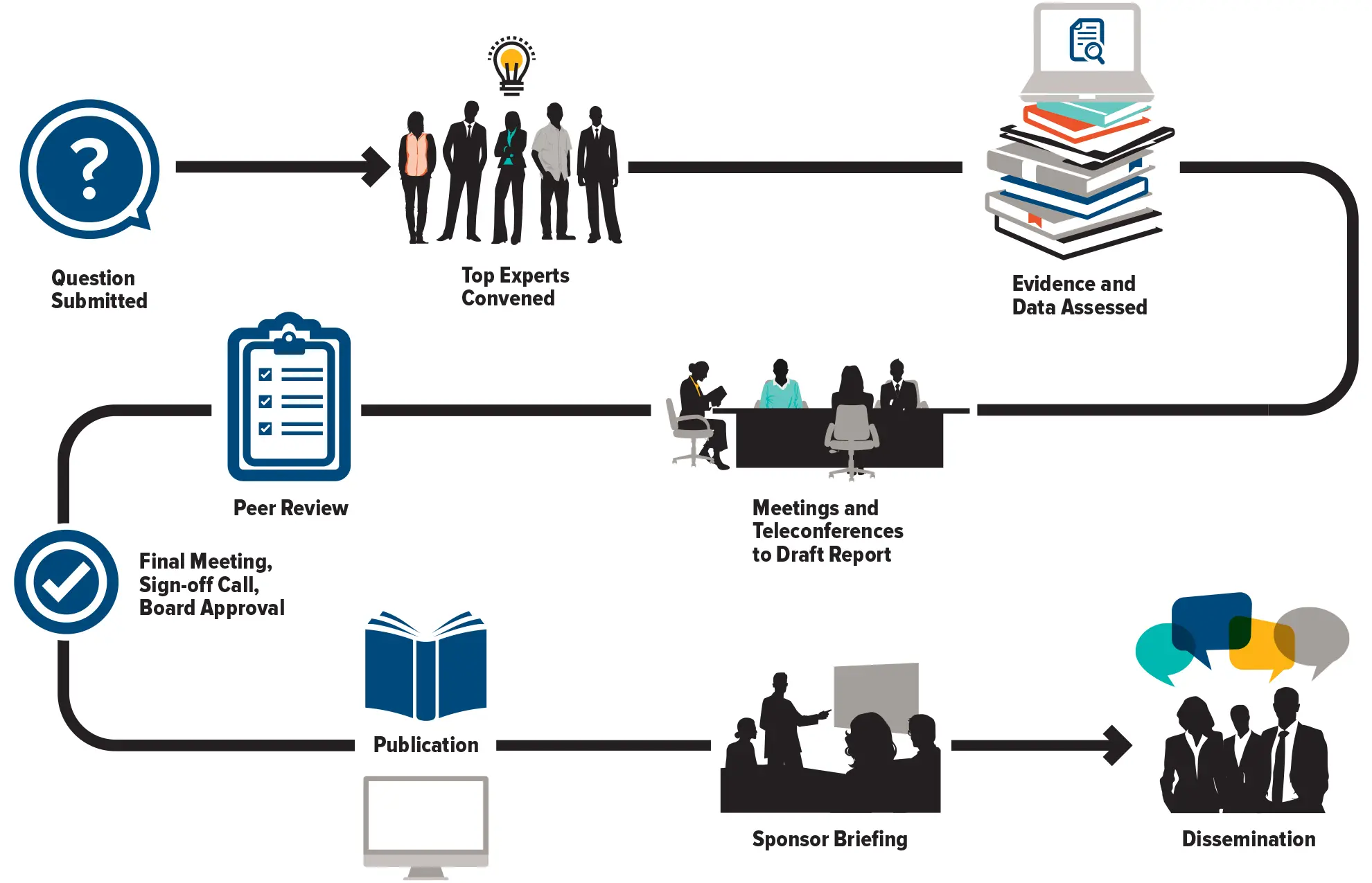
The full assessment process for the Council’s study is expected to take 24 months and will include a rigorous peer review exercise to ensure the report is objective, balanced and evidence-based. Following the review and approval by the Council’s Board of Governors, the complete report will be made available on the Council’s website in both official languages. More information about the Council’s process can be found here.
Question
How might memory institutions embrace the opportunities and challenges posed by the changing ways in which Canadians are communicating and working in the digital age?
Sub-questions
- With the use of new communication technologies, what types of records are being created and how are decisions being documented?
- How is information being safeguarded for usefulness in the immediate to mid-term across technologies considering the major changes that are occurring?
- How are memory institutions addressing issues posed by new technologies regarding their traditional roles in assigning value, respecting rights, and assuring authenticity and reliability?
- How can memory institutions remain relevant as a trusted source of continuing information by taking advantage of the collaborative opportunities presented by new social media?
Expert Panel
The Expert Panel on Memory Institutions and the Digital Revolution is chaired by Dr. Doug Owram, FRSC, former Deputy Vice-Chancellor and Principal at the University of British Columbia Okanagan Campus. For a complete list of panel members visit the Expert Panel on Memory Institutions and the Digital Revolution page.
For further information, please contact:
Tijs Creutzberg, Program Director at 613-567-5000 ext. 232 or tijs.creutzberg@scienceadvice.ca